
International Exchange | PKUPH Young Physicians Join 2026 China-U.S. Youth Health Dialogue
2026-06-04
A delegation of young physicians from Peking University People’s Hospital (PKUPH) recently participated in the 2026 China-U.S. Youth Health Dialogue held in Shanghai and Changsha, China. There, they joined their peers from leading Chinese and U.S. medical institutions for academic exchange on oncology, cardiovascular disease, surgery, psychiatry, and AI assisted medicine.
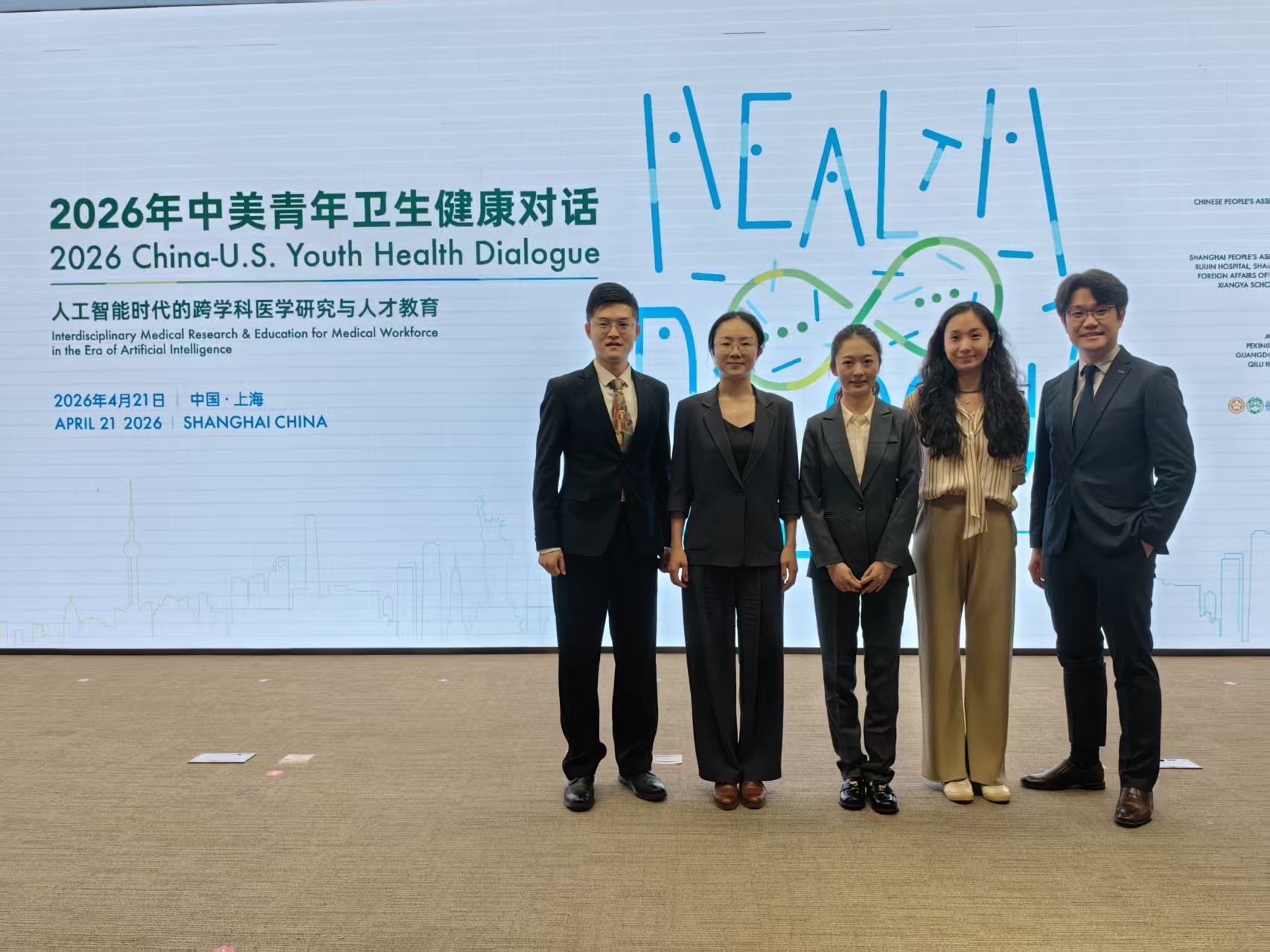
The PKUPH delegation included Dr. Wang Yilin (trauma and orthopeadics), Dr. Li Yuzi (hepatobiliary surgery), Dr. Zhang Shiyu (psychiatry), Dr. Bao Yudi (gastroenterological surgery) and Dr. Zhao Qinghao (cardiology). The dialogue brought together 55 young physicians, nurses, researchers, and medical students from both countries. U.S. participants represented institutions including Harvard University, Yale University, Stanford University, the University of Michigan, Columbia University, and Cedars-Sinai Medical Center.
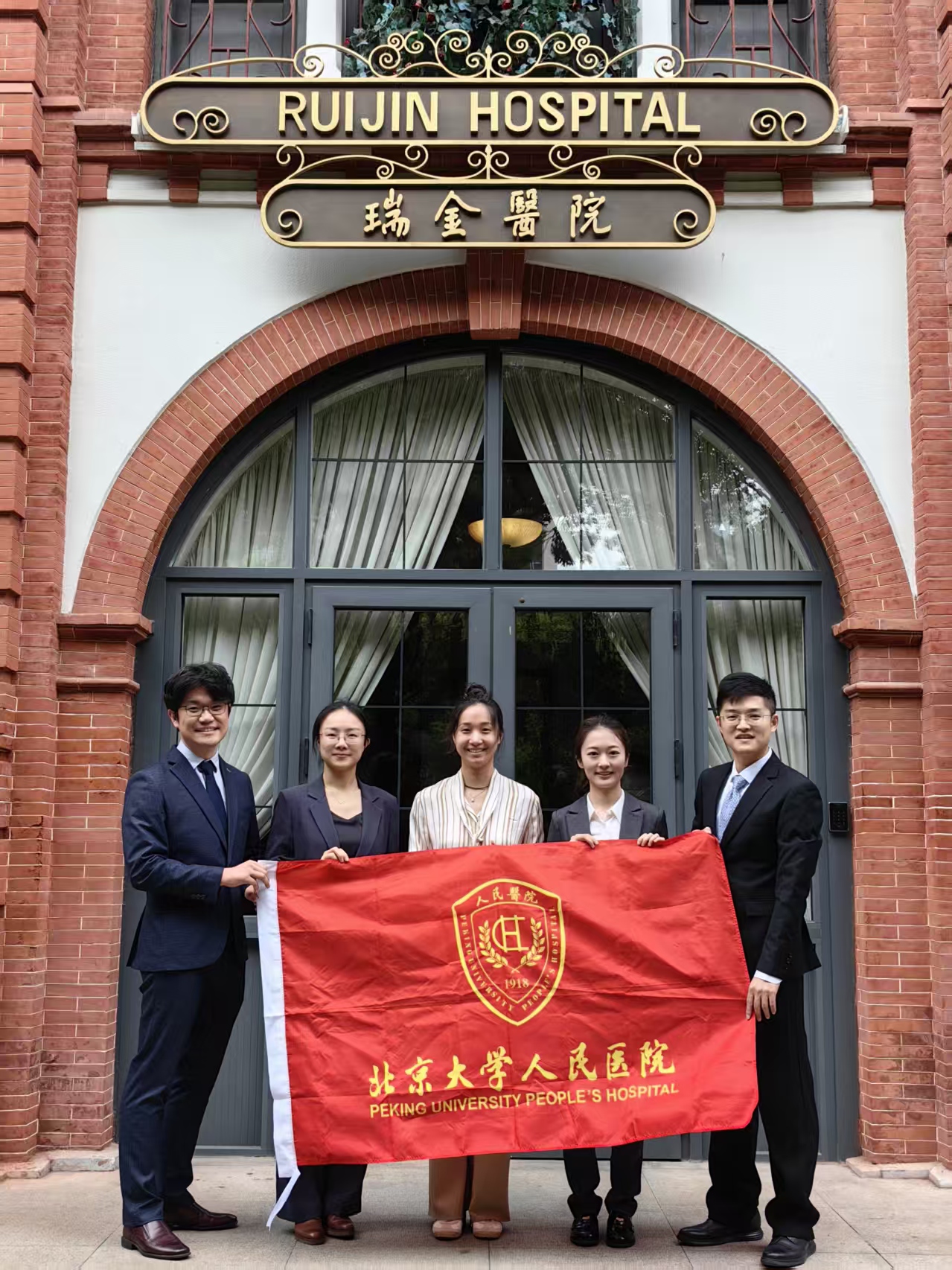
During the program, the delegation visited leading academic medical institutions in Shanghai and Changsha. This included Shanghai Jiao Tong University School of Medicine and its affiliated Ruijin Hospital, as well as the Xiangya, Second Xiangya, and Third Xiangya Hospitals of Central South University. The delegation also visited healthcare technology companies and private hospitals, such as Sinocare, Micro Port and Aier Eye. The discussions focused on clinical practice, digital medicine, translational research, simulation-based education, and hospital innovation.
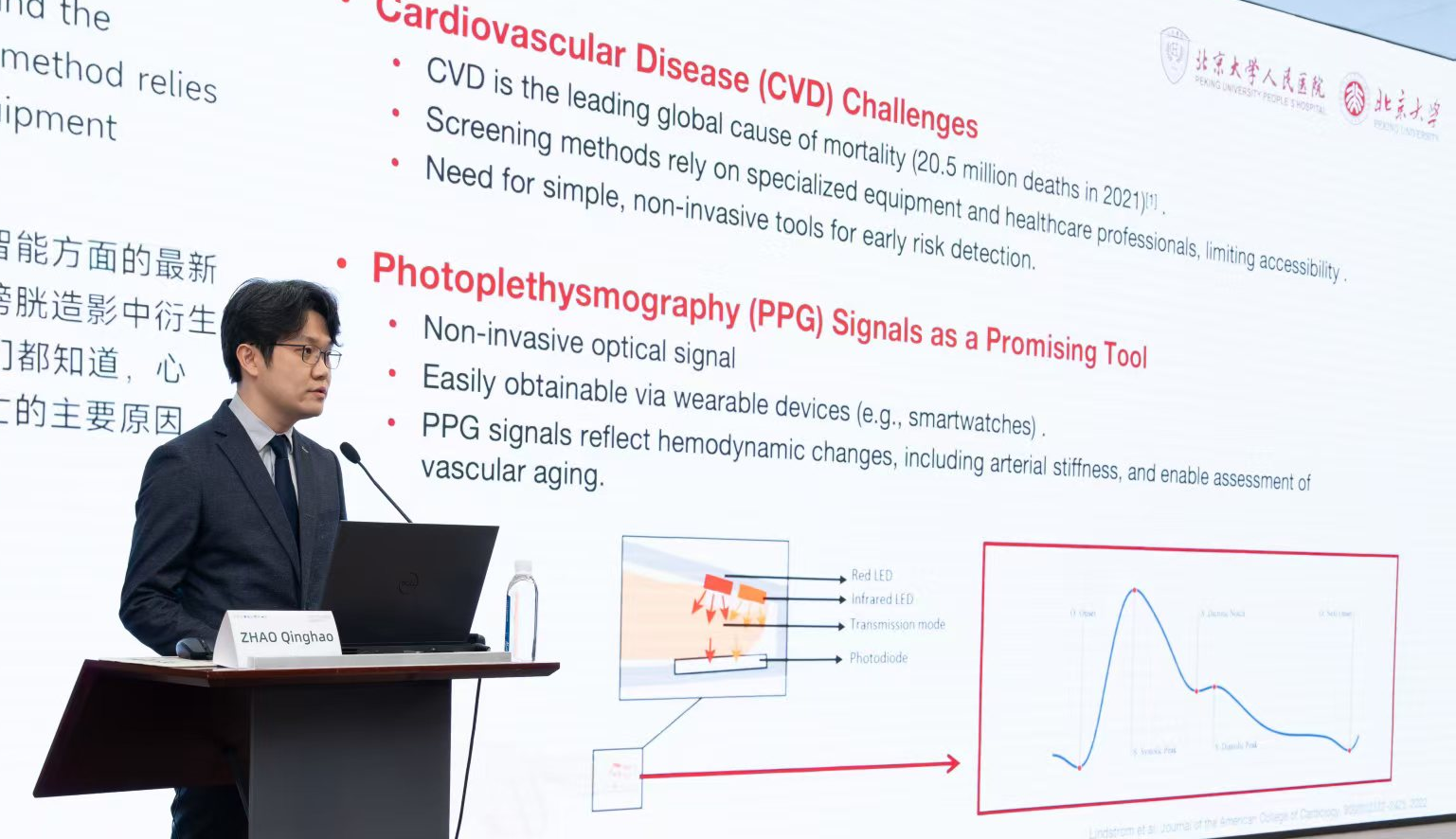
At the academic forum, Dr. Zhao presented his recent research, published in Nature Communications Medicine, on using AI-derived photoplethysmography age as a digital biomarker for cardiovascular health. The study highlighted the growing role of AI in disease prediction and personalized health assessment, and sparked broader discussions about the integration of AImedical education, precision surgery, and clinical decision-making. Experts from both countries also shared recent advances in organ transplantation, GLP-1–related therapies, and transplant immunology.

The dialogue provided an opportunity to explore future collaborations in medical education, research, and global health. Participants emphasized the importance of international exchange in improving patient care and cultivating the next generation of physician-scientists. PKUPH is committed to strengthening global partnerships and supporting international collaboration in clinical medicine, research, and medical education.
